
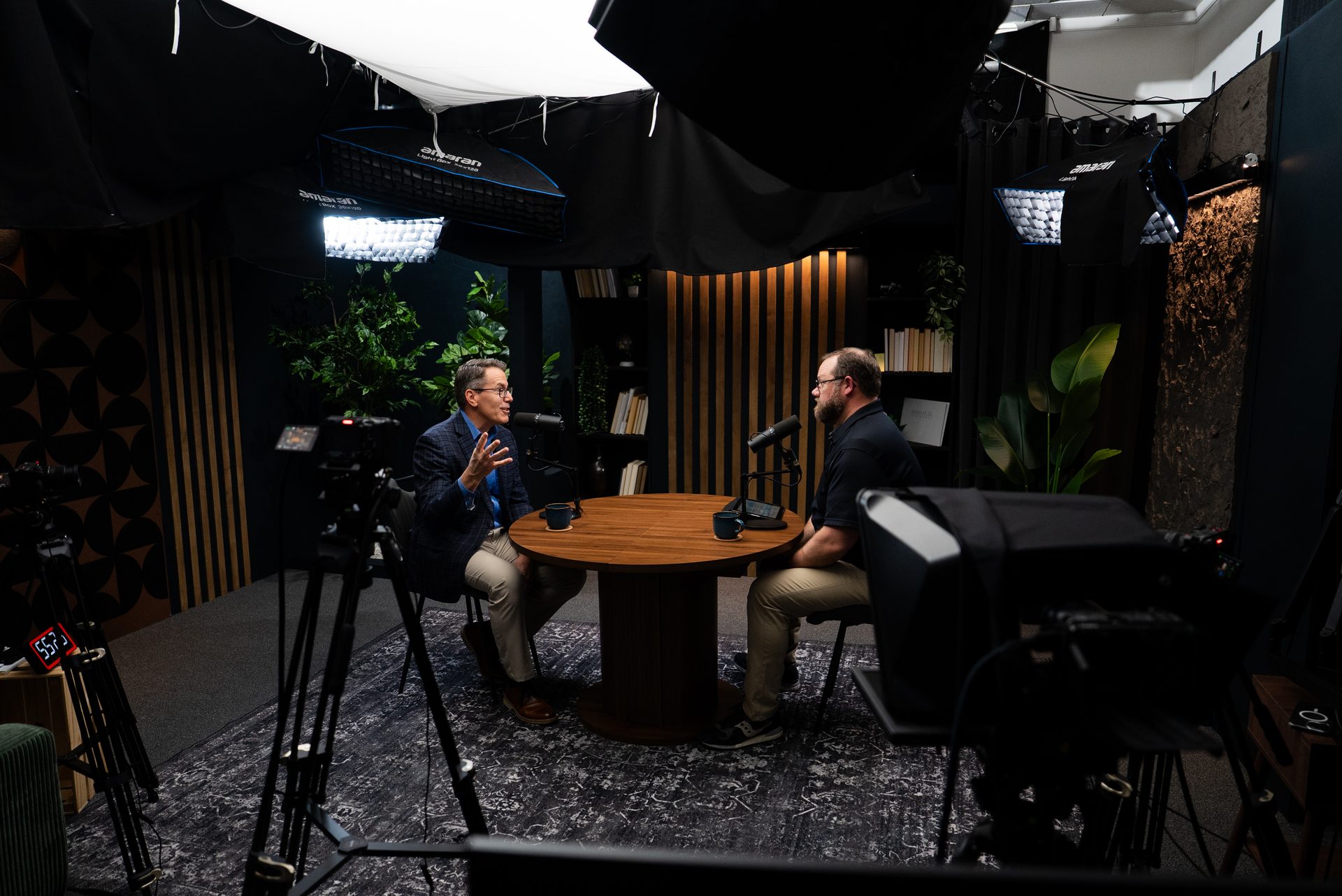
Batch Recording: How to Produce a Month of Content in One Studio Session
What Is a Batch Recording Session — and Why Smart Businesses Use Them
Most businesses create content the hard way: one piece at a time, one booking at a time, constant rescheduling. It's exhausting, and it rarely produces a full content calendar. There's a better model — and it's how our most productive clients at Cincinnati Podcast Studio run their entire content operation.
It's called batch recording. And once you understand it, you'll wonder why you ever did it any other way.
A batch recording session lets you come in once, produce weeks of content, and leave with a full production pipeline ready to go — no weekly studio visits required.
Quick Answer
A batch recording session is when you record multiple pieces of content in a single studio day rather than one at a time. Instead of booking the studio weekly, you come in once and produce 4–6 weeks of podcasts, short clips, course modules, or webinar recordings back-to-back. It saves time, cuts per-piece production cost, and keeps your content calendar stocked without constant scheduling.
What Is a Batch Recording Session?
A batch recording session is exactly what it sounds like: you block out a half-day or full day in a studio rental in Cincinnati, set up once, and record multiple pieces of content back-to-back. Instead of returning to the studio every week for a single episode, you produce four, six, or eight episodes in one focused session.
Think of it the same way chefs do meal prep. Rather than cooking every night, they batch the week's meals on Sunday. Batch recording applies the same logic to content: front-load the work so your calendar is stacked, and then let the production and distribution cycle run on its own momentum.
The session itself can cover multiple formats — a series of podcast episodes, a set of short-form clips, a course module block, or even a combination of formats in one day. The studio stays set up. The lighting stays dialed in. You stay in flow state instead of constantly shifting gears between production and business operations.
It's the production model that underpins everything we do through the video podcasting services at CPS — and it's why our clients consistently outpublish brands with bigger teams and bigger budgets.
How Much Content Can You Produce in One Session?
This is where batch recording gets genuinely exciting. The output from a single well-planned session is substantial.
In a half-day session (roughly 3–4 hours of recording time), most clients produce:
- 4–6 full podcast episodes (20–40 minutes each)
- Raw material for 10–20 short-form clips across LinkedIn, Instagram, and YouTube Shorts
- Enough footage to populate a full month of social media content
In a full-day session, output scales further. Course creators routinely record 3–6 complete modules. B2B brands cover an entire quarter of podcast episodes with room to spare. The Cincinnati Business Podcast — hosted from our studio — uses a batch model that keeps the show on a consistent publishing cadence without dominating the hosts' calendars.
The key variable is preparation. A session with tight outlines and a clear run of show will produce significantly more usable content than one where topics are improvised at the mic. We'll cover how to prep for that shortly.
For clients who also want short-form video clips extracted from their recordings, those clips are sourced directly from the batch footage — so the more you record in one session, the larger your clip library becomes.
Who Benefits Most from Batch Recording?
Batch recording is particularly valuable for a few types of clients.
Busy executives and founders who cannot justify carving out time every week for a studio visit. One half-day per month is a far easier sell to a packed calendar than four separate bookings.
B2B marketing teams with a monthly or quarterly content quota. Batch sessions compress the entire production calendar into a single block, giving the team one high-output day instead of a grinding weekly commitment.
Coaches and consultants producing online course recordings or structured training content. A full-day batch session can cover an entire course module sequence in one booking.
Podcasts with remote or traveling co-hosts who can only get in the room on certain dates. A batch session maximizes the value of those windows — record a month of episodes every time the full cast is available.
Organizations running webinars on a regular cadence who want a polished studio environment without booking a separate production day for each event. See our webinar production setup for how this works in practice.
If any of those situations sounds familiar, batch recording is probably the most efficient production model available to you right now.
How to Structure Your Batch Recording Day
A batch session runs smoothly when it's treated like any other production day: scheduled, sequenced, and prepped in advance. Here's the structure that works best for our clients.
Before the session (1–2 weeks out):
- Lock the episode or content list — don't leave topic selection for the day of
- Build an outline or talking points for each piece; full scripts aren't necessary, but bullet-point guides are
- Plan wardrobe changes if you're recording multiple "days" of content that should look visually distinct on screen
- Confirm any guests, co-hosts, or on-screen participants
Session day structure:
- First 30 minutes: Setup check, audio levels, lighting confirmation, run-of-show review
- First block (90 min): Record your first 2–3 episodes or content pieces while energy is highest
- Break (15–20 min): Reset, review, hydrate
- Second block (90 min): Continue recording; this is often the most efficient block once everyone is warmed up
- Final block (60 min): Complete remaining pieces; use this time for supplemental content or retakes
- Wrap and handoff: Confirm file exports and production handoff checklist before anyone leaves
The CPS team facilitates the day-of structure so you stay focused on talking, not logistics. If you're planning podcast idea research before your first batch session, we can help you build the content architecture before you ever set foot in the studio.
Common Batch Recording Mistakes to Avoid
Batch recording works — but only when it's set up correctly. These are the mistakes that turn a high-output session into a frustrating one.
No run of show. Walking into a batch session without a clear episode order and topic list burns studio time and creates decision fatigue mid-session. Plan the sequence in advance so you can move from one piece to the next without stopping to think.
Too many pieces in the plan. There's a point of diminishing returns — usually after hour four or five — where energy and performance start to drop noticeably. Build your session plan with realistic timing rather than trying to maximize output at the expense of quality.
Skipping outlines to "keep it fresh." Some hosts believe winging it produces more natural content. What it actually produces is longer episodes full of wasted tangents and harder post-production work. A tight outline keeps you natural and on topic simultaneously.
Identical wardrobe throughout. If you're publishing episodes over four or six weeks, recording all of them in the same shirt makes it obvious to consistent viewers that everything was taped on the same day. Plan two or three outfit changes to maintain the appearance of week-by-week episodes.
No file handoff plan. Know how files are transferring and to whom before the session ends. Don't leave the studio without confirming that footage is in the right hands for editing, clipping, or publishing — especially if you're working with an external production team.
How CPS Runs Batch Recording Sessions in Cincinnati
If you're in Greater Cincinnati or Northern Kentucky and want to run a batch recording session, our studio is purpose-built for exactly this kind of production work.
Every batch session at CPS includes:
- Multi-camera 4K video setup with consistent professional lighting
- Broadcast-quality audio for up to four people on camera simultaneously
- An in-studio team managing production so you stay focused on content
- Session structure support — we help you plan the day so nothing gets wasted
- Clean file handoff to your editor or directly into our production pipeline
Our clients routinely leave a single session with enough footage for a full month or more of published content across podcast episodes, LinkedIn clips, YouTube Shorts, and course libraries. That's the power of batch production done right.
We work with founders, B2B marketing teams, coaches, consultants, and organizations who want a professional content presence without letting content production run their calendar. If you want to see what a batch session would look like for your business, the best next step is a Discovery Call — it's a 20-minute conversation where we map out the session structure and content output before you ever book studio time.
You can also explore our full range of production formats — video podcasting, short-form video, course creation, and webinar production — all of which can be run as batch sessions depending on your content goals.
Ready to stop recording one piece at a time and start building a real content library? Contact Cincinnati Podcast Studio or book a Discovery Call to get started.
Frequently Asked Questions
What is a batch recording session?
A batch recording session is when you record multiple episodes, videos, or content pieces back-to-back in a single studio block instead of scheduling separate sessions for each one. It's the most time-efficient way to build a content library.
How many videos can you produce in one batch recording day?
Most businesses record 4–8 podcast episodes in a half-day or full day, plus enough raw footage for 10–20 short-form clips. Course creators often record 3–6 modules in a full-day session depending on length and complexity.
Do I need scripts for batch recording?
Full word-for-word scripts aren't required, but tight outlines are. Going into a batch day with a clear run of show — topics, rough talking points, and segment order — prevents wasted time and keeps energy high across the session.
Is batch recording right for small businesses?
Yes — especially for small teams without time to produce content weekly. Batch recording compresses your production calendar into one or two focused days per month, which is far more sustainable than trying to record something new every week.
How does batch recording save money on studio rental?
You pay for studio setup time once and amortize it across many pieces. Recording 6 episodes in one day costs significantly less per episode than booking six separate sessions, each with its own setup and teardown.
Can I do a batch recording session at CPS?
Yes. Cincinnati Podcast Studio is built for batch production. Our multi-camera 4K setup, professional lighting, and in-studio support make it easy to record multiple episodes or an entire course block in a single session. Book a Discovery Call to plan your session.
Related reading: If you're still deciding between building your own space and renting, see our breakdown of content strategy consulting options, or explore the full Cincinnati Podcast Studio production model on our podcast page.