
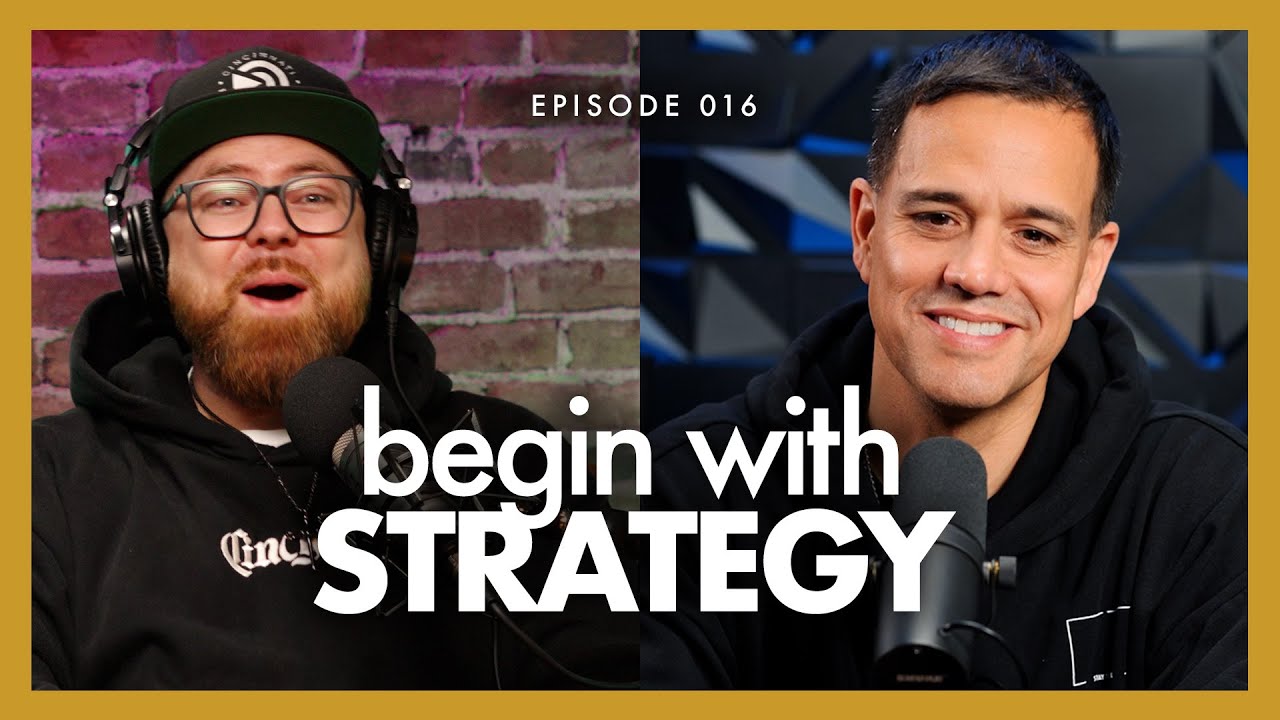
Podcast Success Secrets From a Marine Pilot Producer
Podcast Success Secrets From a Marine Pilot Who Produces for Chris Do
Not many podcast producers can say they flew missions for the Marines and learned content strategy at the feet of Chris Do. Our recent guest brought both — and the conversation in our Cincinnati studio surfaced a set of podcast success secrets that apply directly to any B2B founder or executive trying to build a consistent content engine.
This wasn't a conversation about gear or software. It was a straight-talk breakdown of what separates shows that grow from shows that stall — delivered by someone who has operated at the highest levels of both military precision and world-class creative production.
If you run a video podcast or you're thinking about starting one, this is the episode to watch first.
Quick Answer: What Makes Podcasts Actually Succeed?
Podcast success comes down to three things: clarity on who you're talking to, consistency in your publishing cadence, and commitment to treating every episode like it matters. Great guests, great gear, and great editing can't save a show that lacks directional purpose. The producers and hosts who build lasting shows treat the podcast as a business asset — not a creative experiment. Discipline, not inspiration, is the engine.
Why Most Podcasts Stall Before They Gain Traction
The most common reason podcasts stall has nothing to do with audio quality or editing budgets. It's a clarity problem. Hosts launch without a defined audience, a repeatable episode structure, or a reason for a listener to come back next week.
Our guest drew a direct parallel to military planning: you don't execute a mission without a clear objective and a rehearsed plan. The same standard applies to professional podcast production. Winging it might work for one episode. It doesn't build a show.
The fix isn't complicated. It starts with answering three questions before you record a single episode:
- Who is this for? Not a demographic — a specific type of person with a specific problem.
- What do they leave with? Each episode should deliver one clear, usable takeaway.
- Why would they subscribe? Consistency of value, not of schedule, earns loyal listeners.
What Military Discipline Actually Teaches Content Creators
The military doesn't wait for motivation. It builds systems, and those systems produce output regardless of how anyone feels on a given day. That's the mindset shift most podcast hosts never make.
Our guest described it plainly: the shows that survive the first 50 episodes are the ones run by people who treat recording like a standing appointment, not a creative mood. Batch recording, pre-planned guest pipelines, and documented episode formats — these are operational tools, not creative constraints.
At Cincinnati Podcast Studio, we see this play out with every client who hits their stride. The ones who grow are the ones who build a content system around their show — not just a recording schedule. The studio visit is the easiest part. The strategic framework around it is where the real work happens.
The Batch Recording Advantage
Batch recording — capturing four to six episodes in a single studio day — is one of the highest-leverage moves a podcast host can make. It removes the week-to-week production pressure and creates a content buffer that protects your publishing schedule when life gets complicated.
Our studio is designed for exactly this. Four cameras, professional audio, and a production team that handles the technical side so you can stay focused on the conversation. If you're a B2B team in Cincinnati or Northern Kentucky, book a Discovery Call and we'll walk through what a batch recording day looks like for your show.
The Chris Do Connection: What World-Class Production Actually Looks Like
Chris Do has built one of the most respected creative education brands in the world — millions of followers, premium content, and a production operation that treats every frame as intentional. Our guest has worked inside that machine. The lesson he brought back is simple but underestimated: production quality signals credibility before the viewer hears a single word.
This doesn't mean you need a Hollywood budget. It means the visual environment, the lighting, the framing, and the audio quality need to match the authority you're claiming. If you're a CEO or founder asking clients to trust you with significant decisions, a low-quality production environment sends the wrong message — even subconsciously.
Short-form video clips from your podcast episodes compound this effect. A single well-produced recording session generates social content that reinforces your professional brand for weeks. That's the multiplier effect Chris Do's team understands — and what we build for every client at CPS.
Podcast Success Frameworks That Actually Move the Needle
Our guest broke down several practical frameworks from his production work. Here are the ones that translate most directly to B2B podcasters:
1. The One-Takeaway Rule
Every episode should be buildable around one clear, actionable takeaway. Not five insights. Not a sprawling conversation. One thing your listener can do, decide, or think differently about by the time the episode ends. This structure improves retention, makes editing cleaner, and gives your marketing team a clear hook for promotion.
2. Guest Briefing as a Production Tool
The quality of your guest conversation is largely set before the recording starts. A thorough pre-interview briefing — covering the episode arc, the audience's context, and the one thing you want the guest to leave the listener with — produces better content than any in-session improv. Treat the briefing as part of production, not a courtesy call.
3. Treat Your Show as a Long-Term Asset
The Cincinnati Business Podcast is a clear local example of this. Episodes that were recorded a year ago still drive discovery, still rank in search, and still move listeners toward a business relationship. A podcast built on depth and consistency compounds over time in a way that paid ads cannot replicate.
4. Video-First From Day One
Audio-only podcasting is a shrinking lane for B2B brands. Video podcasting creates searchable YouTube content, social clips, and a visual brand presence that audio alone can't deliver. If you're starting a show or relaunching one, go video-first from the beginning. Retrofitting video onto an audio-first show is harder than building it in from the start.
Why This Matters for Cincinnati and Northern Kentucky B2B Brands
If you're a B2B leader in Cincinnati or Northern Kentucky, the competitive landscape for thought leadership content is still wide open. Most local companies aren't running consistent video podcasts. The ones that start now build authority and search presence while the window is still available.
The barriers — equipment, editing, time, consistency — are exactly what Cincinnati Podcast Studio is designed to remove. You show up. You have the conversation. We handle everything else, from short-form clips to full episode production. The result is roughly 36 monthly content assets from two to four recording sessions.
Not sure what your show should cover or whether there's an audience for it? Our Podcast Idea Research service validates the concept before you invest in production.
Frequently Asked Questions
What are the most important factors in podcast success?
Clarity on your audience, consistency in publishing, and a production quality that matches the authority you're claiming. Strategic guest selection and a documented episode format come next. Gear matters less than most new podcasters think.
How many episodes does it take before a podcast gains traction?
Most shows that reach meaningful audiences do so between episodes 30 and 60, assuming consistent publishing and intentional topic selection. The hosts who treat early episodes as practice rarely make it that far. Treat episode one like it matters — because it does.
Is video podcasting worth the extra effort?
For B2B brands, yes — clearly. Video creates YouTube discoverability, social clip inventory, and a visual credibility signal that audio alone doesn't produce. The additional production complexity is manageable when you work with a professional studio that handles the technical side.
What does batch recording involve?
Batch recording means scheduling a full studio day to record four to six episodes back-to-back. It requires pre-planned guest schedules, episode outlines, and a production team that can move efficiently between setups. The payoff is weeks of content from a single day, with no week-to-week recording pressure.
How does Cincinnati Podcast Studio support podcast growth beyond production?
Beyond the recording and editing, we offer consulting and strategy services, podcast idea research, and short-form video production to turn each episode into a multi-platform content asset. The studio is one piece of a larger content system.
What's the first step to launching a professional video podcast?
Start with a Discovery Call. We'll talk through your goals, your audience, and your current setup — then map out a production approach that fits your schedule and objectives. No pressure, no pitch — just a practical conversation about what it takes to build a show that works.
The Bottom Line
Podcast success is not a mystery. It's the result of operational discipline applied to a creative medium — exactly the combination our guest embodies. The Marine-trained, Chris Do-connected perspective he brought to our studio isn't about tactics. It's about treating your show like a mission-critical asset, building systems around it, and showing up consistently enough to let those systems work.
The shows that win are the ones run by people who stopped waiting to feel ready and started building the machine.
If you're ready to build yours, schedule a Discovery Call with the Cincinnati Podcast Studio team. We'll help you get from idea to a consistent, professional video podcast — without the production friction that kills most shows before they find their audience.
You can also explore more resources and episode strategies on the Cincinnati Podcast Studio podcast page.