
How Podcasts Build Trust Before the First Sales Call
How Podcasts Build Trust Before the First Sales Call
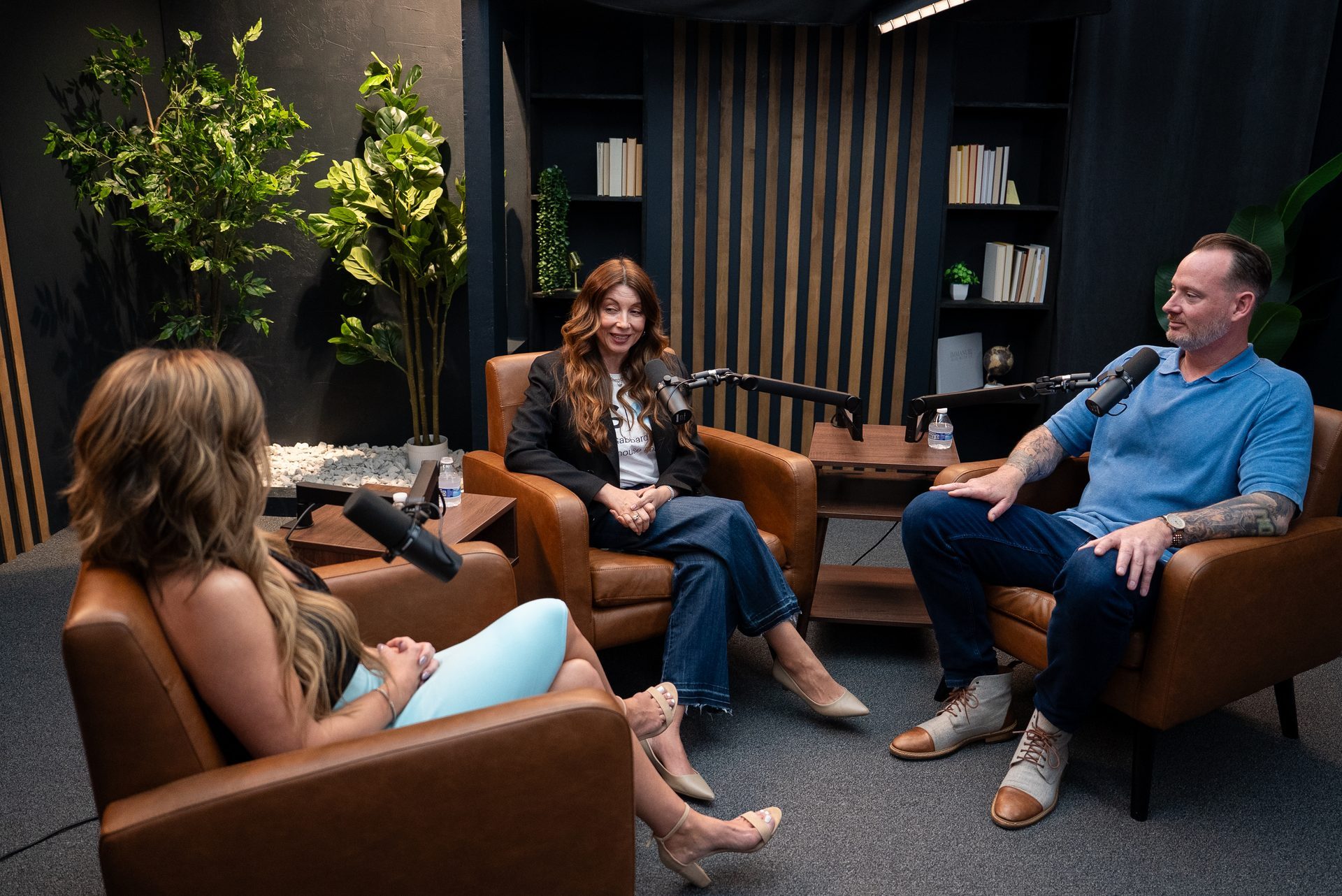
When I produced this podcast conversation with Tom Brown, one thing stood out immediately: trust is easier to build when people can hear how you think.
That sounds simple, but it’s a big shift for most businesses. A lot of companies are still trying to build credibility with polished claims, carefully written bios, and sales pages that say all the right things. Those assets matter, but they don’t always show the person behind the business.
A podcast does.
As the producer of this conversation with Tom Brown, I saw a clear reminder of why podcasting works for business credibility. The format gives people time to hear your perspective, understand your values, and decide whether they trust you before they ever book a call.
Quick answer
Podcasts build credibility because they let prospects experience your thinking before they enter a sales process. In a strong conversation, your audience hears how you explain problems, respond to ideas, tell stories, and make decisions. That kind of trust is hard to create through a landing page alone, especially for B2B companies selling expertise, service, or judgment.
If your business wants to turn conversations into a trust-building content system, we can help you shape the strategy through podcast strategy consulting.
Why this conversation with Tom Brown reminded me what podcasts do best
As a producer, I’m always listening for more than sound quality.
I’m listening for moments of clarity. I’m listening for the parts of the conversation where someone explains something in a way that makes you lean in. I’m listening for the stories that reveal how a person thinks, not just what they sell.
That’s what stood out in this conversation with Tom Brown.
A podcast gives someone enough space to be understood. You’re not trying to cram a big idea into a seven-second hook or force a whole business philosophy into one caption. You get room to build context.
That room matters because trust usually comes from context.
People don’t trust you because you say you’re credible. They trust you because they hear your perspective, understand your process, and start to believe you know what you’re talking about.
That’s the business value of professional podcast production. The finished episode is content, but the deeper asset is confidence.
A good podcast shows your judgment
One of the biggest misconceptions about podcasting is that the host or guest needs to perform.
They don’t.
The real goal is not to sound overly polished. The goal is to sound clear, prepared, and useful.
When I’m producing a conversation, I’m looking for the natural points where someone’s judgment comes through. How do they explain a hard decision? What do they notice that other people miss? What patterns have they seen after years of experience? What would they tell someone who’s about to make a common mistake?
Those answers build credibility.
For business owners, founders, consultants, and subject-matter experts, judgment is often the product. Your clients are not just buying a deliverable. They’re buying the way you think.
A podcast gives them a chance to hear that thinking before the first meeting.
Trust grows when the conversation does not feel like a sales pitch
The strongest podcast conversations usually don’t feel promotional.
They feel useful.
That’s something I care about a lot when we produce content at Cincinnati Podcast Studio. A business podcast should have a point, but it should not feel like a commercial stretched into an episode.
The audience should walk away feeling like they learned something. They should understand the topic better. They should have a clearer picture of the guest’s expertise. They should feel like the host respected their time.
That’s where credibility starts compounding.
A helpful conversation can become a full episode, several short-form video clips, a sales follow-up resource, an email topic, a blog post, and a reference point for future conversations. But it only works if the original conversation has substance.
The producer’s job is to remove friction
Most people don’t avoid podcasting because they have nothing to say.
They avoid it because the process feels heavy.
They wonder what to talk about, how to structure the episode, what equipment to use, how to look on camera, how long it should be, what happens after the recording, and whether anyone will actually care.
That’s where production matters.
Our job is to remove as much friction as possible so the guest or host can focus on the conversation. We handle the environment, recording setup, production flow, and content strategy so the person in the chair can show up and talk.
That matters because the best moments usually happen when people are not worrying about the technical side.
If the room feels right, the questions are clear, and the production is handled, people relax. When people relax, they explain things better. When they explain things better, the audience trusts them faster.
Credibility comes from specificity
Generic content does not build much trust.
You can say “we care about clients” or “we’re experts in our field,” but those statements don’t give the audience much to hold onto. Specificity does.
In a strong podcast episode, credibility often comes from details like:
What problem does the guest keep seeing in the market?
What mistake do clients make before they ask for help?
What belief has changed after years of experience?
What decision would they make differently today?
What advice sounds good but fails in practice?
Those are the kinds of answers that make a conversation valuable. They turn a podcast from a brand awareness activity into a credibility asset.
For teams that don’t know what their show should be about yet, Podcast Idea Research is a strong first step. The goal is not just to find a topic. It’s to find an angle your audience already cares about.
A podcast makes the sales conversation warmer
One of the most practical benefits of podcasting is what happens after someone listens.
They come into the next conversation with context.
They already know your voice. They understand your point of view. They’ve heard how you answer questions. They may even feel like they’ve spent time with you before you’ve ever met.
That changes the sales dynamic.
Instead of starting from zero, you’re starting with familiarity. Instead of spending the first part of the call proving you’re credible, you can have a more useful conversation about fit, timing, goals, and next steps.
For B2B companies, that matters. Especially in Greater Cincinnati and Northern Kentucky, where reputation, relationships, and trust still carry real weight.
If you’re a B2B team in Cincinnati/NKY, this matters because buyers here often want to know who they’re dealing with before they commit. A podcast helps them get comfortable before the first handshake.
This applies beyond podcast episodes
The same trust-building principle applies to other content formats too.
A strong webinar recording can help a team educate prospects before a sales push. A well-produced training library or course creation project can help package expertise in a way that scales beyond one-on-one conversations.
The format can change. The strategy stays the same.
People trust you faster when they can see your thinking clearly.
That’s why I view podcasting less as a content trend and more as a business communication tool. It gives companies a repeatable way to make their expertise visible.
What I’d tell any business thinking about starting a podcast
Don’t start with the microphone.
Start with the trust gap.
Ask yourself: what does a prospect need to believe before they’re ready to talk to us?
Do they need to believe we understand their problem? Do they need to believe we’ve solved it before? Do they need to believe our process is different? Do they need to believe the people behind the company are credible?
Once you know that, the podcast gets easier to shape.
You’re not just asking, “What should we talk about?” You’re asking, “What conversations would help the right buyer trust us faster?”
That’s the difference between making content and building a content engine.
What business podcasts can learn from this conversation
The biggest takeaway from producing this conversation with Tom Brown is that trust does not always require a hard sell.
Sometimes it just requires enough time, the right setting, and a clear conversation.
For business leaders, that should be encouraging. You don’t need to become an influencer. You don’t need to chase trends. You don’t need to turn every episode into a pitch.
You need to be useful, specific, and clear.
That’s what gives a podcast staying power.
It becomes something a prospect can watch before a call, a referral partner can share after a conversation, a salesperson can send as proof, and a marketing team can repurpose into smaller assets.
The episode becomes more than content. It becomes evidence.
Common mistakes businesses make when using podcasts for credibility
Mistake 1: Making the episode too broad
Broad topics feel safe, but they usually create weaker episodes.
A better approach is to focus on a specific problem, decision, objection, or belief. The more specific the conversation, the easier it is for the right listener to feel like it was made for them.
Mistake 2: Trying to sound too polished
Professional does not mean stiff.
The audience does not need a perfect performance. They need clarity, honesty, and useful thinking. A few natural pauses or unscripted moments can make the conversation feel more trustworthy, not less.
Mistake 3: Recording without a business purpose
A podcast should serve a clear role in the business.
It may support sales, recruiting, community building, thought leadership, partnership development, or customer education. Without that purpose, the show becomes harder to sustain and harder to measure.
Mistake 4: Forgetting about repurposing
The episode is only the starting point.
A strong conversation can become clips, articles, email content, sales enablement resources, and social posts. That’s why we think about the content system before the cameras turn on.
For the local folks/
For Greater Cincinnati and Northern Kentucky businesses, trust is still local, relational, and reputation-driven. A professionally produced podcast gives leaders a way to show up consistently, explain their thinking, and build familiarity with the people they want to reach.
If you’re looking for a Cincinnati video podcast studio that can help you turn conversations into business assets, the strategy matters as much as the recording.
FAQs
How does a podcast help a business build trust?
A podcast helps a business build trust by letting prospects hear the people behind the company. Instead of relying only on claims, the audience gets to experience the team’s thinking, tone, values, and expertise. That familiarity makes future sales conversations warmer and more productive.
Does a business podcast need to be highly produced to be credible?
A business podcast does not need to feel overproduced, but it does need to feel intentional. Clear audio, strong lighting, good framing, and a focused conversation all affect trust. Poor production can distract from the message, while professional production helps the expertise come through cleanly.
What should a company talk about on a podcast?
A company should talk about the questions, problems, decisions, and misconceptions its buyers already care about. The best topics come from real sales conversations, client objections, industry changes, and lessons learned through experience. The goal is to create conversations that help the right audience trust your judgment.
Can one podcast episode support sales and marketing?
Yes. One strong podcast episode can support sales and marketing when it is planned with repurposing in mind. The full episode can live on YouTube, while clips, quotes, blog posts, email content, and sales follow-up links can extend the value across multiple channels.
Is podcasting useful for local Cincinnati businesses?
Yes. Podcasting is especially useful for Cincinnati and Northern Kentucky businesses that rely on reputation, referrals, and relationships. A podcast helps local buyers get familiar with your expertise before they meet you, which can make introductions and sales conversations feel more natural.
Conclusion: credibility is built before the call
Producing this conversation with Tom Brown was a reminder that the best podcasts don’t just capture what someone says. They capture how someone thinks.
That’s what builds credibility.
For a business, that credibility can become a serious advantage. It helps prospects understand your expertise, trust your process, and feel more comfortable taking the next step.
If your company wants to create podcast content that supports trust, authority, and real business conversations, book a Discovery Call with Cincinnati Podcast Studio or contact Cincinnati Podcast Studio to talk through the right production strategy.
You can also explore how local business leaders are using podcast conversations to build authority through the Cincinnati Business Podcast.
