
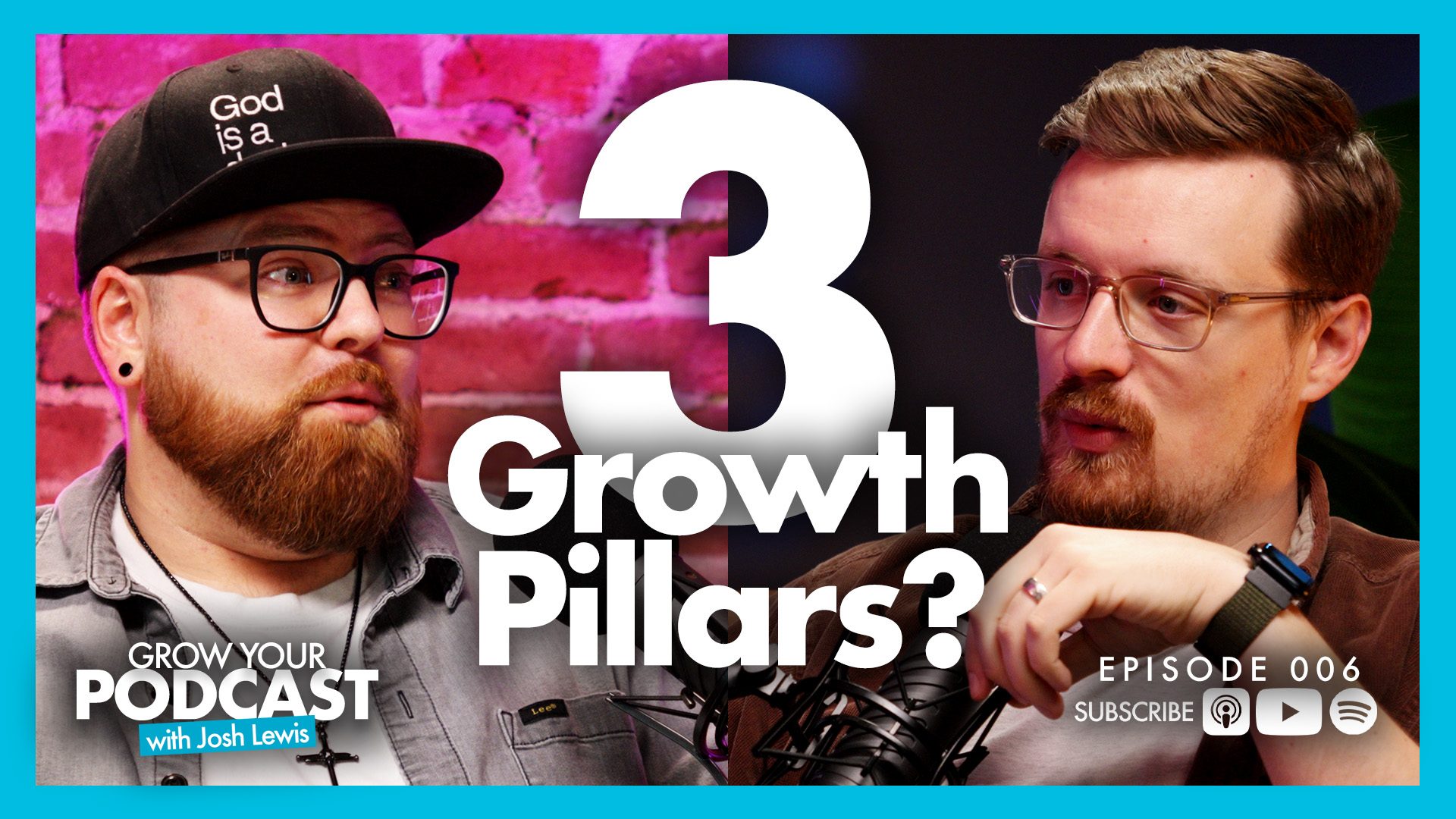
How to Become a Successful Podcaster: A Practical Playbook for B2B Leaders
How to Become a Successful Podcaster
If you want to become a successful podcaster, the answer is not “buy better gear” or “post more clips.” Success comes from clarity, consistency, and a format that helps the right people trust you. That’s the real lesson from this episode: podcasting works when it becomes a business system, not just a content experiment.
If you’re serious about building a show that supports your brand, relationships, and pipeline, book a tour of the studio. It’s the fastest way to see what a real recording system looks like in practice.
A successful podcast starts with a clear definition of success, a sustainable publishing rhythm, and episodes designed to build trust with a specific audience. The goal is not just to publish content. The goal is to create a repeatable engine that strengthens brand authority and supports business growth.
To become a successful podcaster, define what success means for your business first. Then choose a realistic cadence, create episodes for a specific audience, and use each recording to build trust over time. The podcast itself is only part of the win. The bigger opportunity is turning every episode into a system for relationships, visibility, and sales momentum.
Success in podcasting starts with the right definition
Most people make podcasting harder than it needs to be because they start with the wrong scoreboard. They assume success means big download numbers, instant reach, or going viral. That mindset creates pressure fast and usually leads to disappointment.
A better question is this: what is your podcast supposed to do for the business?
For some teams, success means building trust with buyers. For others, it means opening doors with strategic guests. For others, it means creating a bank of high-quality video content that can be reused across channels. Once that answer is clear, every decision gets easier. Your format, your topics, your cadence, and your promotion all start to line up. That’s when podcasting becomes useful instead of noisy. This framing aligns with the episode’s emphasis on defining success before anything else.
This is also where many businesses benefit from outside strategy. If your positioning, topic selection, or messaging still feels fuzzy, consulting is the right next step before you pile time into production.
A successful podcaster chooses a cadence they can actually sustain
Consistency matters, but consistency does not mean overcommitting. One of the fastest ways to fail at podcasting is to choose a production schedule that looks impressive on paper and collapses in real life.
A successful podcaster picks a cadence they can maintain for months, not weeks. That might be weekly. It might be every other week. It might be monthly if the episode quality and post-production plan are strong enough. What matters is that the show keeps showing up.
That idea is directly reflected in the episode ecosystem around this topic, which emphasizes choosing a cadence on purpose rather than treating publishing as random output.
This is where production support removes a lot of friction. With podcasting services, the process becomes easier to repeat because the setup, filming, and production workflow are already handled.
Trust is the real asset your podcast creates
The best podcasts do not feel like content farms. They feel like a reliable experience. The listener understands what the show is about, who it serves, and why it is worth returning to.
That trust comes from being useful, specific, and consistent. It comes from talking to the right audience in a way that respects their time. It comes from choosing topics that solve real problems instead of filling airtime. And it comes from showing up enough that people start to feel like they know how you think.
That’s why podcasting works so well for business leaders. It gives people a longer, more natural way to understand your expertise and your perspective. The broader CPS episode descriptions repeatedly frame podcasting as a trust-building medium for brands, especially in B2B contexts.
A lot of teams in this stage also realize they do not just need long-form episodes. They need a full content engine. That’s where short-form recording becomes valuable, because one good conversation can become weeks of usable content.
Your show needs a clear audience, not a vague ambition
If your podcast is “for everyone,” it usually connects deeply with no one. Successful podcasters know exactly who they are trying to help and what those people care about.
That does not mean your content has to be narrow or boring. It means it has to be relevant. A CEO podcast for local business owners should sound different from a show for in-house marketers. A show meant to attract clients should be built differently than a show meant to strengthen an existing community.
When you know the audience, your episode ideas improve. Your guest selection improves. Your titles improve. Your calls to action improve. And the podcast starts attracting the right conversations instead of just collecting impressions.
If you want to see what that looks like in action, the Cincinnati Business Podcast is a strong example of how local business-centered conversations can build authority over time.
A successful podcast is a content system, not a one-and-done recording
Recording the episode is only the starting point. One conversation can power your website, social content, email, sales follow-up, and thought leadership if the workflow is built correctly.
That is a major reason business podcasts outperform many one-off content efforts. A single well-planned session can create:
written insights for your site, clips for social, talking points for your sales team, and recurring proof of expertise your audience can keep discovering over time.
This matches the available CPS summary language that ties podcast success to turning episodes into pipeline, not just publishing for publishing’s sake.
Depending on your goals, that same recording can also support adjacent assets like webinar production or course creation support, especially if your team wants to turn expertise into lead generation or client education.
Why most podcasts stall out
Most podcasts do not fail because the host lacks talent. They stall because the strategy is thin.
Usually, one of four things is happening. The host never defined success. The publishing cadence is unrealistic. The content is too broad. Or the team records episodes without a plan to reuse them. In every case, the result is the same: more effort than return.
The better play is simpler. Decide what the show is for. Build a realistic workflow. Record with intention. Repurpose aggressively. Keep going long enough for trust to compound.
That is what separates a successful podcaster from someone who just has a microphone.
If you’re a B2B team in Cincinnati/NKY, this matters because…
If you’re a B2B team in Cincinnati/NKY, this matters because trust still drives buying decisions here. A polished, repeatable show gives prospects, partners, and referral sources a direct way to experience your expertise before they ever book a meeting. A strong podcast studio in Cincinnati helps remove the production friction that usually keeps good teams from publishing consistently.
For companies that want a more professional on-camera presence without building everything in-house, working with a Cincinnati video podcast studio is often the fastest route to consistency.
What to do next if you want to become a successful podcaster
Start by getting honest about what you want the podcast to do. Then make the format smaller, clearer, and more sustainable than your first instinct. Pick topics your audience actually cares about. Build a production plan you can repeat. Then let consistency do its work.
If you want the practical next steps, start with the resources hub. If you already know you want expert help setting up the strategy and workflow, go straight to Cincinnati Podcast Studio.
FAQs
How long does it take to become a successful podcaster?
It usually takes longer than people expect because podcast success is built on trust and repetition, not a single launch. The teams that gain traction are the ones that stay consistent, keep improving their message, and use each episode as part of a larger business system rather than hoping for instant reach.
Do I need expensive gear to become a successful podcaster?
No. Gear helps, but it is not the main factor. A clear strategy, a focused audience, and a sustainable workflow matter more than owning equipment. Most podcasts struggle because the plan is weak, not because the camera or microphone is wrong. Production quality should support the message, not replace it.
Is video podcasting better than audio-only?
For many business podcasts, yes, because video creates more ways to build trust and repurpose content. One recording can support long-form episodes, short clips, website content, and social distribution. That makes video podcasting especially useful for B2B teams that want more mileage from every conversation.
How often should I publish my podcast?
Publish as often as you can sustain without lowering quality or disappearing after a few weeks. A realistic cadence beats an ambitious one you cannot maintain. The right rhythm is the one your team can repeat consistently while still creating episodes that are useful and on-brand.
Conclusion
If you want to become a successful podcaster, do not start by asking how to get more views. Start by asking what the podcast is supposed to do for your business. Then build a simple, repeatable system around that answer.
That is the real playbook: define success, choose a sustainable cadence, build trust, and turn each episode into more than a single piece of content. That is how a podcast becomes an asset.
Ready to build a podcast that actually supports the business? Book a tour to see the studio, or contact CPS to talk through the right setup for your team.