
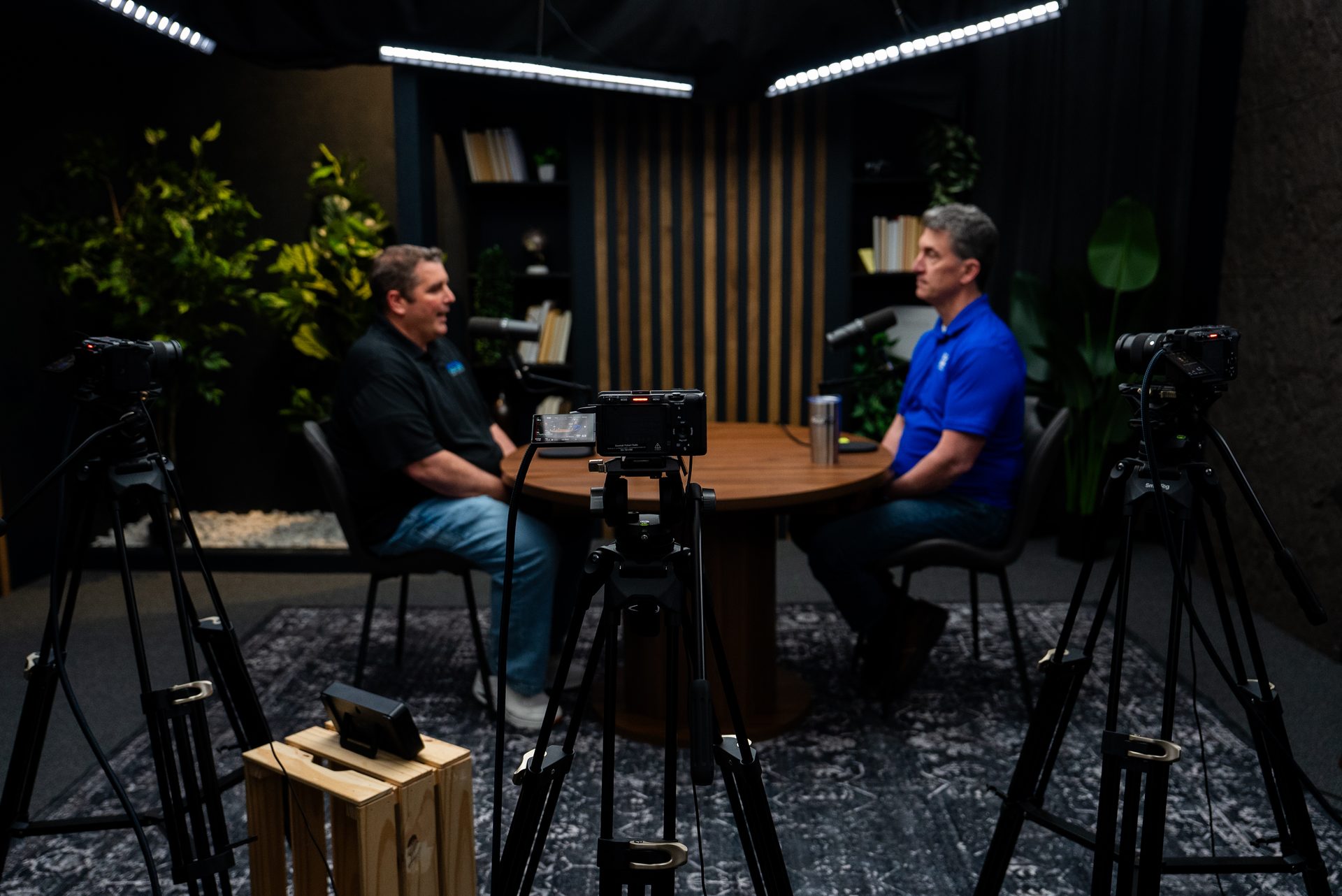
Can Short-Form Video Help B2B Sales? What Actually Works
Can Short-Form Video Actually Help B2B Sales?
Short-form video has a reputation as a consumer play — dance trends, food hacks, personal brands. But B2B buyers are on the same platforms. And they're making vendor decisions based on what they watch before they ever fill out a contact form.
The question isn't whether short-form video can help B2B sales. It's whether you're using it strategically — or leaving pipeline on the table because you assumed it wasn't "professional enough."
Here's what the evidence shows and what actually works when your buyer is a decision-maker, not a teenager.
Quick Answer
Yes — short-form video helps B2B sales by building trust before the first conversation. When buyers watch 60-second clips of you explaining their problems, they arrive at calls already sold on your credibility. The key is consistency and clarity: short videos that speak directly to your ideal buyer's challenges outperform polished ads every time. Short-form video production at Cincinnati Podcast Studio is built specifically for this use case.
Why B2B Buyers Watch Short-Form Video Before They Buy
The B2B sales cycle has changed. Decision-makers now spend time researching vendors long before they announce themselves. They check your LinkedIn. They watch your content. They form an opinion before your sales team even knows they exist.
Short-form video accelerates this process in your favor. A 90-second clip that names your buyer's exact frustration — and frames your approach clearly — does more pre-sales work than a whitepaper most people won't finish. Buyers who've seen your content arrive on sales calls pre-warmed. They reference the video. They skip the basics. The conversation moves faster.
This is especially true for founder-led and expert-led businesses. When the CEO or lead expert shows up consistently on video, it shifts the dynamic. You're not cold outreach anymore — you're familiar. That familiarity shortens sales cycles in ways that are hard to measure but easy to feel.
For B2B teams in Cincinnati and Northern Kentucky competing against regional and national providers, consistent video presence is one of the clearest differentiators available right now. Most competitors aren't doing it well.
The Types of Short-Form Video That Actually Drive B2B Revenue
Not all short-form video is equal for B2B. The formats that move deals are different from the formats that rack up views.
Problem-framing clips are the highest-leverage format. A 60-second video that names your buyer's exact frustration — and hints at why it's harder to solve than it looks — establishes authority faster than any credential. The buyer thinks, "This person gets it." That's the first step in every sale.
Authority clips pull the best moments from long-form content: podcast episodes, interviews, panel discussions. A well-edited 90-second clip from a video podcast can carry more weight than a written blog post because the buyer sees and hears you — body language, delivery, conviction included.
Social proof clips are among the most underused B2B formats. A 60-second client testimonial where someone describes the before and after in their own words is more persuasive than a case study PDF. Video testimonials remove the "is this real?" skepticism that written reviews can't fully address.
Process transparency clips demystify your service. B2B buyers often hesitate because they don't know what working with you actually looks like. A short behind-the-scenes clip — what a session involves, how your team works, what the output looks like — removes that friction before the sales conversation even starts.
How to Use Short-Form Video at Each Stage of Your Sales Cycle
Short-form video works best when it's mapped to where your buyer is in their decision process — not just published and hoped at.
Top of funnel (awareness): Problem-framing clips and authority soundbites posted consistently on LinkedIn and YouTube Shorts. The goal here isn't conversion — it's recognition. You want cold prospects to see your name and face enough times that when they're ready to buy, you're already familiar. Our content consulting team helps clients identify which problems to address first for maximum reach in their specific market.
Middle of funnel (consideration): Educational clips that address common objections and explain your process. Buyers evaluating multiple vendors are asking: "Why them and not someone else?" Short-form video that answers objections directly — before they're raised in a sales call — removes resistance and demonstrates transparency. This is also where clips from the Cincinnati Business Podcast shine: real conversations with real business owners carry built-in credibility.
Bottom of funnel (decision): Testimonials, case study soundbites, and "what happens next" process clips give buyers social proof at the moment they're closest to committing. A short video of a happy client describing their results can be the last piece of evidence a decision-maker needs to move forward.
What Makes B2B Short-Form Different From Consumer Content
B2B short-form video operates by different rules than consumer content. Understanding the difference is the gap between a strategy that builds pipeline and one that wastes time.
Credibility beats virality. Consumer short-form is optimized for shares and surprise. B2B short-form is optimized for trust. A B2B buyer isn't looking for entertainment — they're looking for evidence that you know what you're talking about. A clear, calm, well-framed 90-second clip from an expert will outperform a highly edited "hook" video that feels more like an ad.
Niche specificity wins. The more specific your content is to your buyer's world, the better it performs with that buyer. A video titled "How Cincinnati manufacturers can reduce production downtime with better onboarding" will reach fewer people — but it will reach exactly the right people. In B2B, relevance matters more than reach.
Watch-time expectations are different. B2B buyers will watch a 2–3 minute video if it's directly relevant to a problem they're trying to solve. Don't artificially shorten content to hit a consumer format standard. If the value is there, the right buyer will watch it. Podcast idea research can help you identify the specific topics your buyers are actually searching for.
The distribution strategy is narrower. LinkedIn is the primary platform for most B2B audiences. YouTube Shorts adds search discoverability. You don't need to be everywhere — you need to be consistent where your buyers are. A studio rental session gives you the raw material; a clear distribution plan determines what you do with it.
Why Cincinnati B2B Companies Are Adopting Short-Form Now
Greater Cincinnati's B2B market is growing — and the competition for visible authority is intensifying. Professional services firms, consultants, agencies, and manufacturers in the region are realizing that their competitors outside Cincinnati have built video presences that make them look more credible before a single call is made.
Short-form video is the fastest way to close that gap. You don't need a broadcast budget. You need a reliable production process and a strategy for turning your expertise into content your buyers actually want to watch.
At Cincinnati Podcast Studio, we built the Presence System specifically for this use case. In a single recording session, B2B leaders batch-record enough content for weeks of consistent video presence — no equipment to buy, no crew to manage, no editing backlog. Our team handles everything from studio setup to final clip delivery. You show up, talk about what you know, and leave with 10–30 pieces of content ready for distribution.
For B2B teams in Cincinnati, Northern Kentucky, and the surrounding region, that kind of efficiency is the difference between a content strategy that actually runs and one that stalls after the first week. Webinar production and short-form video can often be combined into a single session, multiplying the ROI of your time in the studio.
Frequently Asked Questions
How long should a B2B short-form video be?
Between 60 seconds and 3 minutes performs best for B2B. Under 60 seconds works for awareness and hooks. 90 seconds to 3 minutes works well for educational clips or case studies on LinkedIn and YouTube Shorts.
What platforms work best for B2B short-form video?
LinkedIn is the primary channel for most B2B audiences. YouTube Shorts adds search discoverability. Instagram Reels can work if your buyers are there. Start where your buyers already spend time.
Do I need a professional studio to make short-form B2B video?
Not for every clip — but professional-quality video signals professionalism to your buyers. A studio session at Cincinnati Podcast Studio can batch-produce a month of polished clips in a single day.
How many short-form clips can I get from one recording session?
Typically 10–30 clips from a 2-hour session depending on format. A structured podcast episode or interview usually yields 8–15 strong 60-90 second clips ready for social.
How do I know if my short-form video is helping sales?
Track inbound mentions ("I saw your video…"), LinkedIn profile views after posting, and whether sales calls feel warmer. Over time, track lead quality and deal velocity as you build volume.
Is short-form video worth it for a small B2B company?
Yes — especially for small B2B teams where the founder or lead expert is the brand. Short-form video lets one person build visible authority at scale without a large content team.
Start Building Pipeline With Short-Form Video
Short-form video works for B2B when it's built around your buyer's problems — not your brand's talking points. The companies winning with it right now aren't the loudest ones. They're the most consistent, the most specific, and the most willing to show up on camera and say something useful.
If you're a B2B leader in Cincinnati or Northern Kentucky and you're ready to turn your expertise into a repeatable content engine, let's talk about what that looks like. Book a Discovery Call to see how we batch-produce short-form video content that fits your sales process — or contact us with questions. The first conversation is free and takes about 20 minutes.